
Introduction
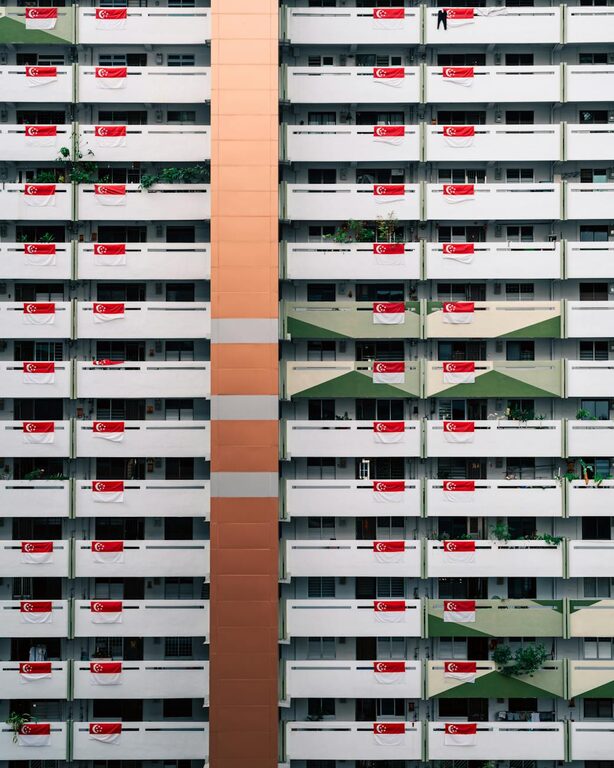
Singapore’s transformation from a city-state with widespread slums and informal villages to a global model of modern public housing is well documented. Central to this remarkable urban development is the Housing and Development Board (HDB), which has played a vital role in providing quality, affordable homes for millions of Singaporeans. This blog post examines the history and mechanisms behind this large-scale transformation, focusing on how resettlement programmes and urban planning initiatives successfully replaced slums and kampongs (villages) with modern housing estates.
The Housing Challenges in Early Singapore
In the 1950s and early 1960s, Singapore faced severe housing shortages, rapid population growth, and poverty. A significant proportion of the population lived in slums—overcrowded, unsanitary shantytowns—and informal villages known as kampongs. These conditions contributed to public health issues, social instability, and economic difficulties.
- Slums lacked basic amenities such as clean water, drainage, and proper sanitation.
- Kampong communities were often informal, built with temporary materials, and vulnerable to fires and floods.
- The pressing need for affordable housing prompted decisive government action.
The Establishment of the Housing and Development Board (HDB)
In 1960, the Singapore government created the Housing and Development Board (HDB) to tackle the housing crisis. Its mandate was clear: to plan, build, and manage affordable public housing on a massive scale.
The initial years were focused on clearing slums and kampongs and building new public apartments, dubbed “flats,” which were designed to provide sanitary, safe, and dignified homes.
Key Roles of HDB in Transforming Housing
- Urban Planning: HDB designed integrated housing estates with amenities like schools, markets, parks, and transportation links.
- Mass Housing Construction: Large-scale, standardized building techniques helped dramatically reduce construction costs and lead times.
- Home Ownership Scheme: Encouraged residents to own their homes rather than rent, fostering a sense of community pride.
- Resettlement Programmes: Organized relocation of kampong residents into new flats to improve living standards.
Resettlement Programmes: Moving from Kampongs to Flats
One of the most sensitive aspects of this transformation was the resettlement of kampong residents. These were communities with established social networks and cultural ties, often resistant to change due to attachment to their land and way of life.
Approaches to Resettlement
- Community Engagement: Authorities often communicated with residents to explain the benefits of relocation and sought their cooperation.
- Compensation and Assistance: Resettlement programmes provided compensation for lost land and assistance to ease the transition.
- Phased Relocation: Implemented in stages, allowing residents time to adjust and settle in new environments.
- Provision of Amenities: Newly built flats were equipped with running water, electricity, sanitation, and access to public transportation—significant upgrades compared to kampongs.
Design and Features of Modern Housing Estates
Modern HDB estates were more than just housing blocks. Comprehensive planning ensured they became thriving neighborhoods.
- Mixed-Use Development: Commercial shops, markets, schools, healthcare facilities integrated within the estate.
- Green Spaces: Parks and playgrounds provided recreational spaces, improving quality of life.
- Accessibility: Estates connected to transport networks, reducing isolation.
- Community Building: Multi-generational living and spaces designed to foster interaction and belonging.
Impact and Success of HDB’s Housing Programmes
By the 1980s, Singapore had almost eliminated slums and informal villages, with over 80% of the population living in HDB flats. As of 2024, approximately 78% of Singapore’s resident population continues to live in HDB-managed homes [HDB Annual Report].
The transformation has led to multiple benefits:
- Improved Public Health: Modern housing conditions reduced disease prevalence.
- Social Stability: Secure homeownership encouraged community cohesion.
- Economic Development: Better living environments promoted workforce productivity.
- Sustainability Initiatives: Recent HDB projects focus on eco-friendly features and smart technologies.
Learning from Singapore’s Experience
Singapore’s housing transformation offers valuable lessons for urban planners, governments, and policymakers worldwide:
- Strong Government Leadership: Coordinated, well-funded programmes with clear goals.
- Involvement of Residents: Engagement and support throughout resettlement processes.
- Holistic Planning: Integration of housing with infrastructure and services.
- Focus on Affordability and Ownership: Encouraging pride and stability.
Conclusion
Through the Housing and Development Board and carefully managed resettlement programmes, the Singapore government achieved one of the most comprehensive urban housing transformations in the world. The slums and kampongs that once characterized the city were replaced by vibrant, sustainable, and modern housing estates. This legacy remains a cornerstone of Singapore’s social and economic success.
For official information about HDB policies and programmes, visit the Housing and Development Board website.
Disclaimer: This site is an informational blog and is not affiliated with the Government of Singapore.